
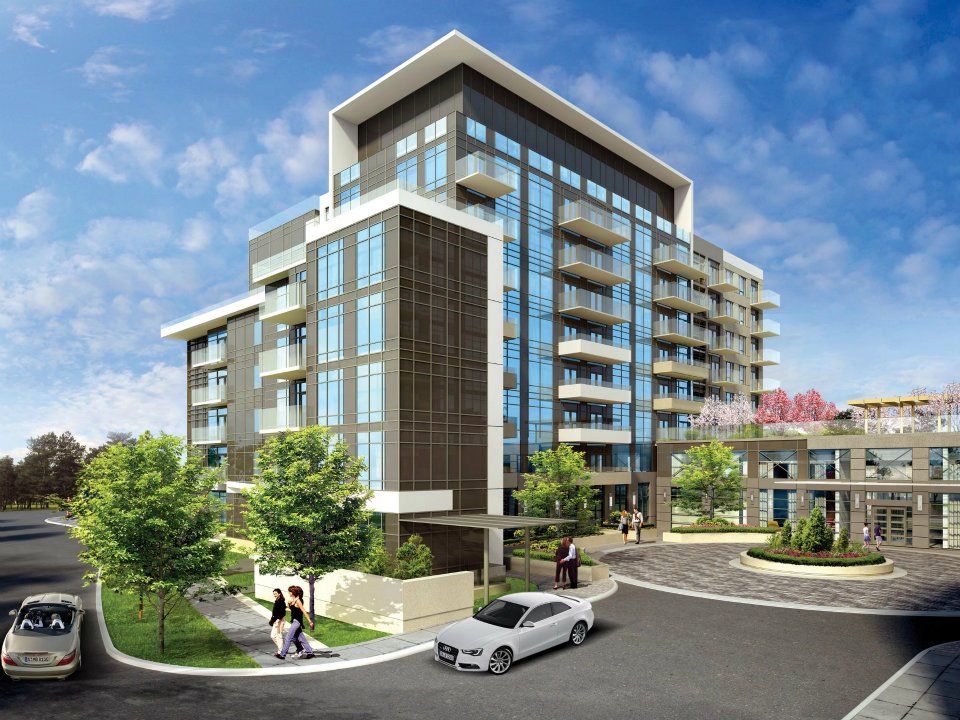
 A Strata Depreciation Report is now legally mandatory in British Columbia, with a final deadline of December 13th, 2013.
So what does this mean for you? Regrettably, there seems to be a great deal of uncertainty on the subject. However, I hope to shed some light on this process and give condo owners and strata councils a starting point to take action.
This new “Strata Depreciation Report” law is intended to eliminate ongoing and future Special Levies and Special Assessments which have been disastrous for many Unit Owners in the past who were ‘blindsided’ by unexpected expenses. The law is also meant to assist Strata Administrations and Property Managers in determining the proper contributions required for the CRF (Contingency Reserve Fund). The CRF is supported by strata fees and is required to maintain and renovate the entire strata property over time.
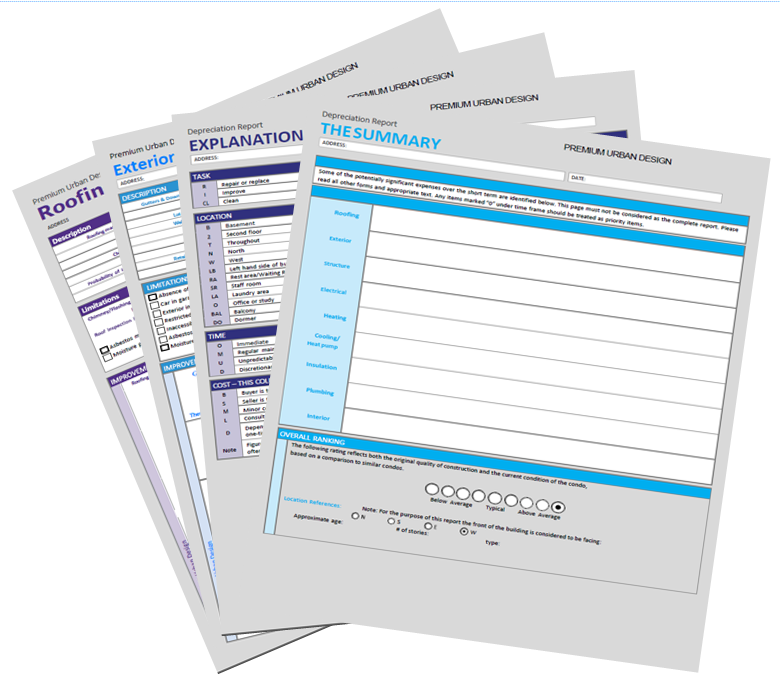
Each aspect of the Common Property belonging to the Strata Corporation now needs to be reviewed and documented, in regard to the estimated service-life remaining and replacement. Think of this as an inventory “to-do” list. This report will also provide clarity on what is required for future budget-planning and will eliminate the guesswork and potential negligence on the part of councils who may to turn a blind eye to required repairs.
This new legislation also removes barriers which have, in the past, hindered the Strata’s ability to build up reserve fund levels adequate to meet the maintenance requirements of the Strata’s common property.
A good example may be a roof or exposed balconies /decks. Why wait for these structures to fail when proactive action can be taken? Waiting until repairs are critical is much more expensive, and increases the risk of interior water damage and /or liability exposure in the case of a dangerous deck system. Therefore it is highly preferable for a Strata Corporation to be proactive and looks ahead with certainty to their upcoming priorities. As Tony Gioventu from CHOA has already pointed-out – it is either “pay now, or pay much more later on”.
Where to begin the process?
Start by compiling documentation and records of:
- Current financials
- Invoices pertaining to operations and past repairs
- Insurance documents
- Easements
- Leases /licenses
- Agreements pertaining to granting 3rd parties use of the Strata property
- Blueprints /plans /drawings – (building, structural, mechanical, electrical, fire-protection, etc., investigation /engineering reports, annual fire system certification reports)
- Maintenance manuals and logs
- The registered Strata plan (& any amendments)
- Current Bylaws (& amendments) alteration /assumption of liability agreements entered into and any lawsuits.
Scanning the above (as applicable) into electronic [PDF] form may simplify the process and will have an added benefit (ease of use for future reference and drastic reduction of storage needs). Your Insurer will also appreciate this digital backup, which will protect the data in case of the loss, damage or deterioration of current paper records.
Depending on the type and size of your Strata Corporation, there can be an enormous variation in the amount and types of documentation required (think of the difference in details and scope when comparing a modern high-rise building to a town house complex). The process may require a great deal of time, taking into account raw data collection, data entry, rendering results with charts and graphs, data analysis and finally turning the information into a solid action plan. Therefore, we highly recommend that your Strata Team gets started right away! We encourage Strata Councils, Property Managers and Unit Owners to move beyond the “shock” of this new legislation and consider the true value a Depreciation Report’ as an accurate guide to responsible property management.
A depreciation report will provide:
A comprehensive inventory of the Strata Corporation’s Common Property assets for which it has full, or partial, responsibility for maintenance and replacement.
An assessment of the condition and anticipated life-span of the various component systems.
An estimate of replacement and /or renewal costs for each component, based on current market values, extrapolated over their estimated life-spans.
A financial overview of the costs and options in funding methodologies to support the Long Term Maintenance Plan through the Contingency Reserve Fund.
Important Note: Depreciation Reports will not provide definitive answers on how a Strata should proceed with a Funding Plan, nor will it offer any significant information on how a well-designed Annual Maintenance Plan might influence the longevity of various building components and systems and potentially defer major replacement expenditures.
Time is running out! Full compliance with this law by all Strata Councils may be highly challenging due to a lack of qualified ‘Consultants’ available to complete this report. With a deadline of December 2013, the system may not be able to accommodate the many tens of thousands of Strata Corporations in B.C. So don’t delay, as you won’t want to find yourself last in-line and unintentionally in violation of this legislation.
Sources:
Condominium Home Owners’ Association – article by T. Gioventu
BC Provincial Government http://www.housing.gov.bc.ca/strata/index.htm
Legal note:
A depreciation report is required under S. 94 – unless a ¾ vote for an exemption is passed, or otherwise exempted)





 Property Focus